Announcements
Turning Discarded Fruit Peels into Valuable Resources.
Expanding Natural Polymer Applications from Agriculture to New Industries.
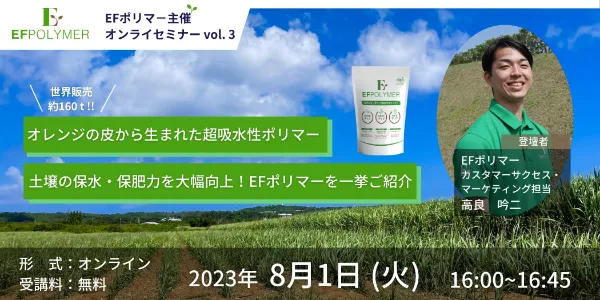
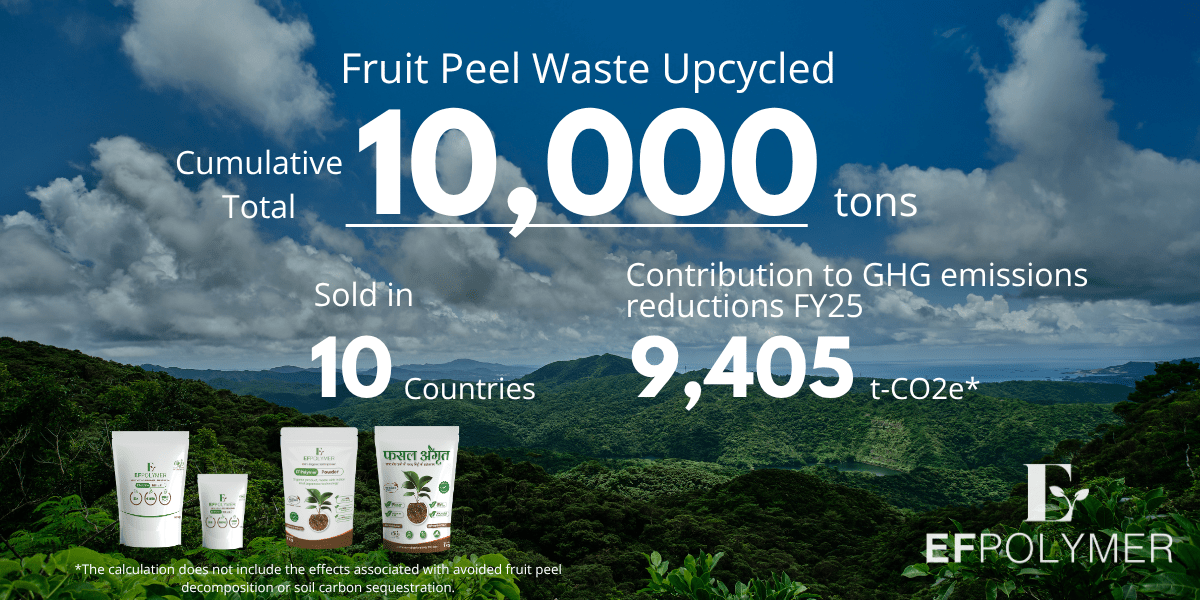
EF Polymer today announced that the cumulative amount of orange and banana peels upcycled as raw materials for its proprietary, fully biodegradable superabsorbent polymer, EF Polymer, has surpassed 10,000 tonnes, driven by growing demand for the product.
Through its circular business model, EF Polymer has been working to create new value from materials that would otherwise be discarded while expanding its business primarily in agriculture. Going forward, the company will continue to explore applications in consumer goods, cosmetics, construction, and other industries, further unlocking the potential of natural polymers.
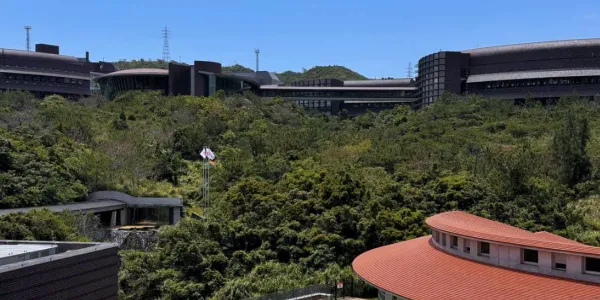
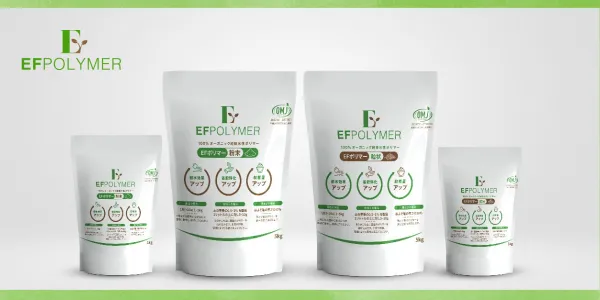
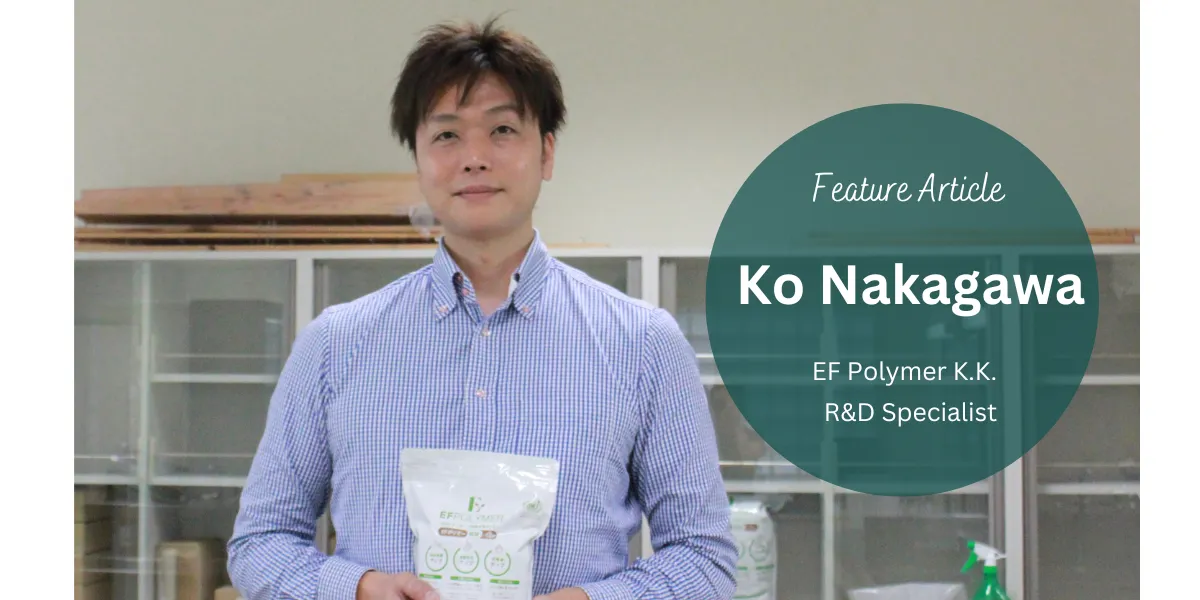
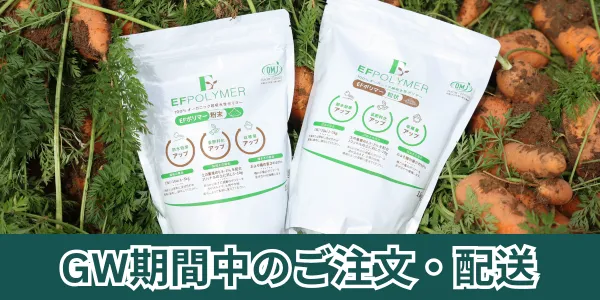
EF Polymer, the company’s flagship product, is a superabsorbent polymer made by upcycling orange and banana peels. Drawing on proprietary technology developed in India and Okinawa, Japan, EF Polymer extracts the key components from agricultural residues and transforms them into a functional material. No chemical additives are used throughout the manufacturing process.
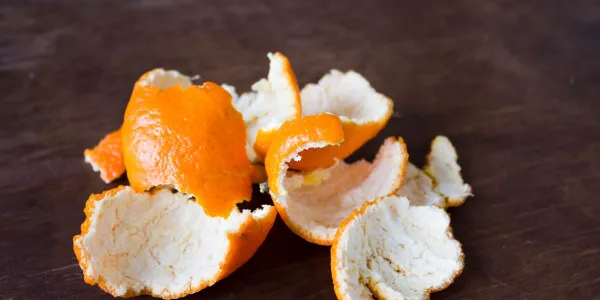
The product’s primary raw materials are orange and banana peels discarded during the production of processed goods such as juice. By creating value from materials that have traditionally been treated as waste, EF Polymer delivers a high-performance agricultural input to farming communities around the world.
To date, EF Polymer has upcycled more than 10,000 tonnes of materials that would otherwise have been discarded. Through the reduction of agricultural water consumption and the transition toward natural-origin materials, the company is working to reduce environmental impacts across its value chain.
EF Polymer evaluates the environmental impact of its business activities from both the manufacturing and product adoption perspectives. Based on an internal Life Cycle Assessment (LCA), the company calculates its contribution to greenhouse gas (GHG) emissions reductions across five areas,*1 including reduced irrigation water consumption and reduced fertilizer production, compared with conventional products and manufacturing methods.
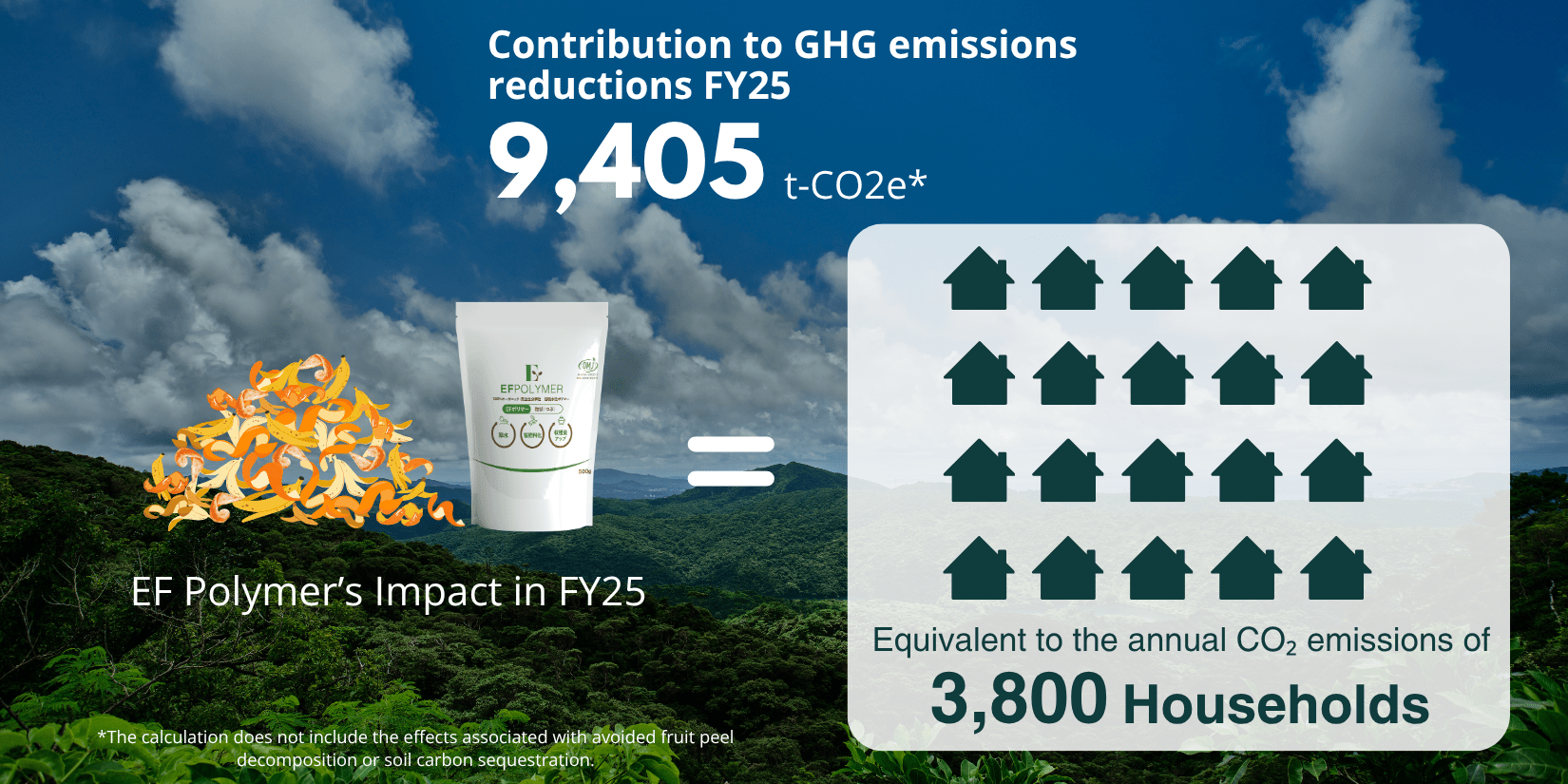
For fiscal 2025, EF Polymer’s contribution to GHG emissions reductions is estimated at approximately 9,405 t-CO₂e.*2 This is equivalent to the annual CO₂ emissions of approximately 3,800 Japanese households.*3
As natural-origin polymers are increasingly adopted in industries where petroleum-derived superabsorbent polymers are widely used, including consumer goods and cosmetics, EF Polymer aims to contribute to its partners’ greenhouse gas reduction targets and goals for adopting biomass-derived materials.
In fiscal 2026, the company is advancing the adoption of its materials in environmentally conscious cement in India, as well as their use as cosmetic ingredients.
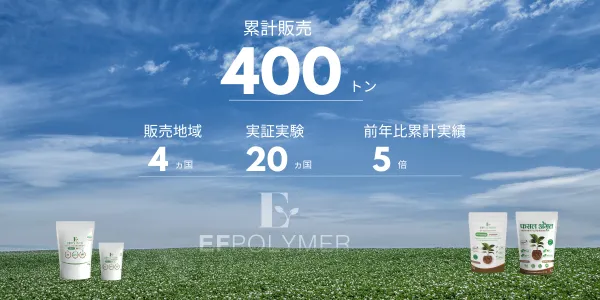
EF Polymer began selling its product in the Indian market in late 2020, initially focusing on agricultural applications in regions facing severe drought and water scarcity. Today, the product is sold in more than 10 countries, primarily in India and Japan, with cumulative sales reaching approximately 1,000 tonnes.
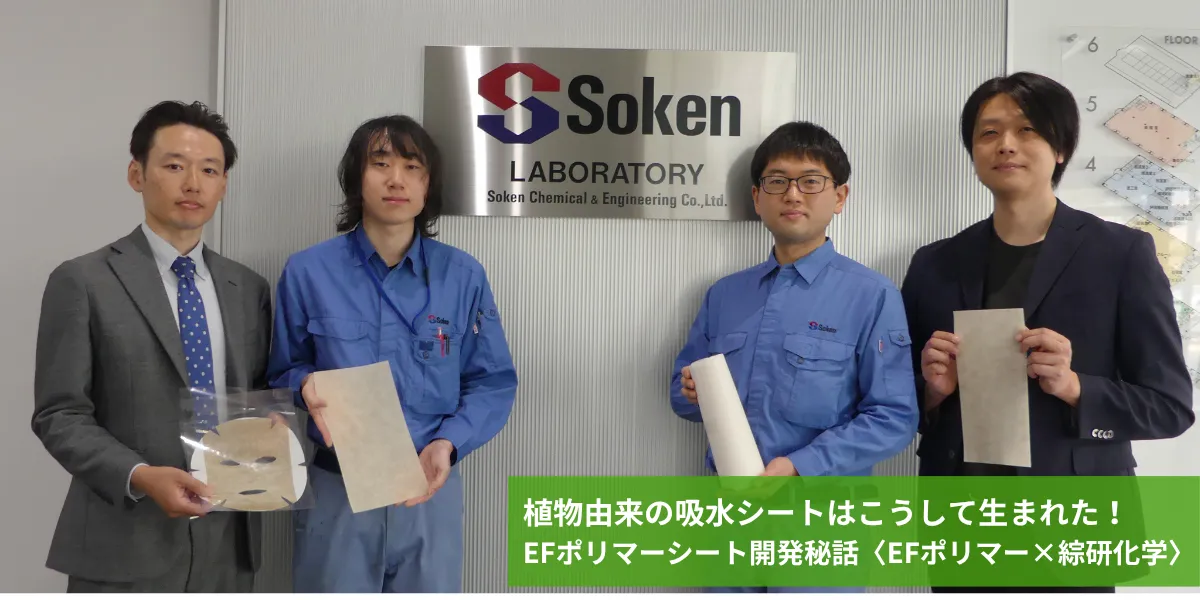
Since 2023, the company has also expanded into non-agricultural applications, beginning with the adoption of EF Polymer as a raw material for ice packs. Efforts to introduce the product into multiple fields, including cosmetics, consumer goods, and construction, are now accelerating.
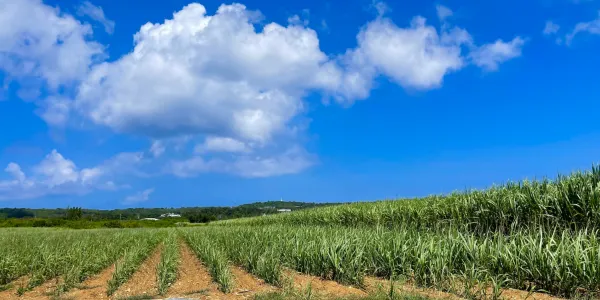
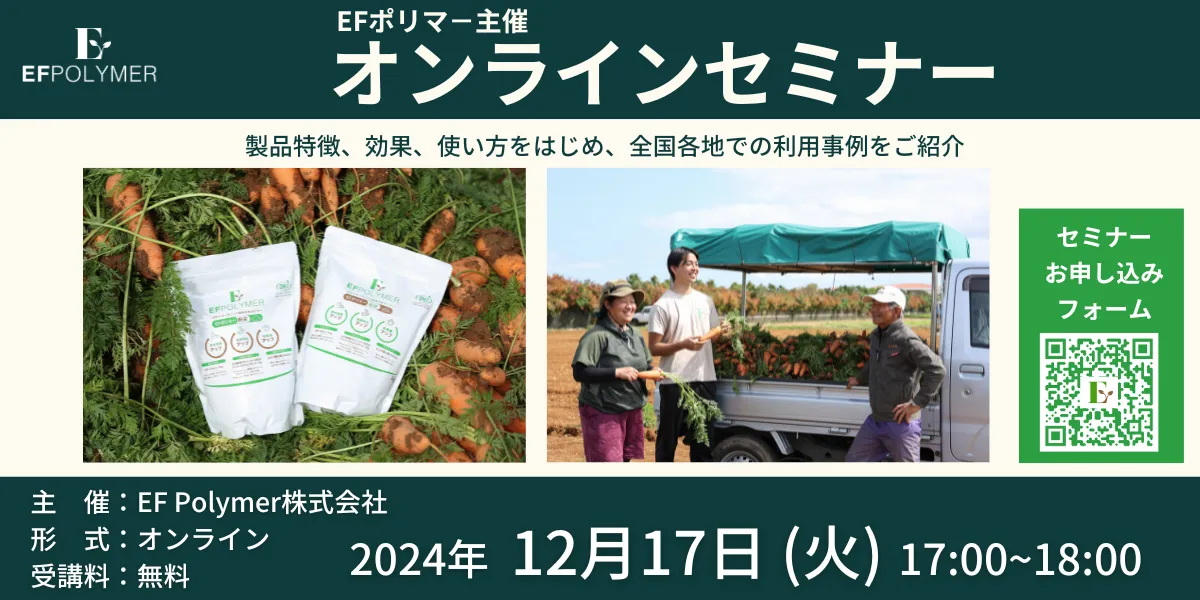
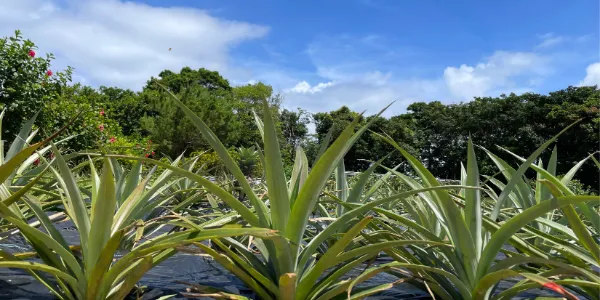
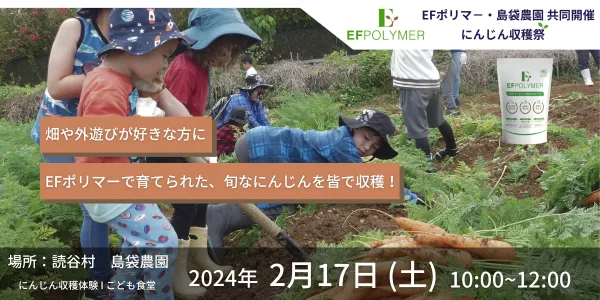
Agricultural applications
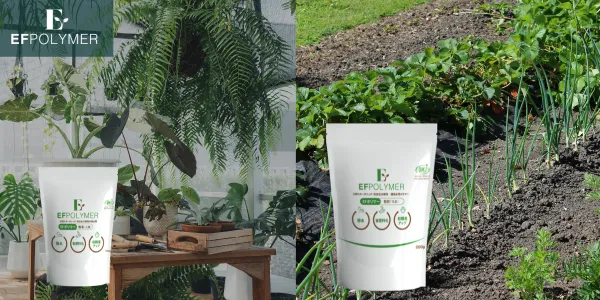
Non-agricultural applications
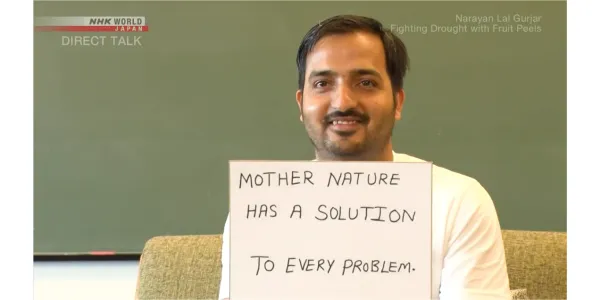
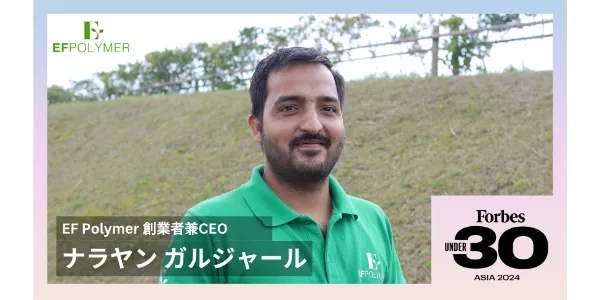
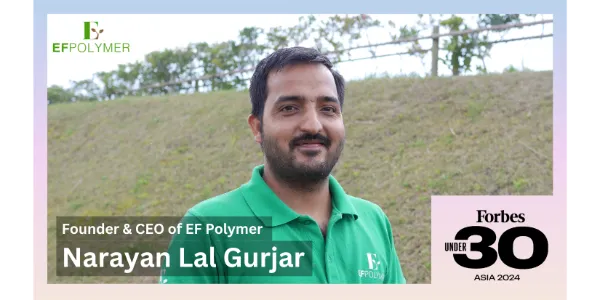
Narayan Lal Gurjar, Founder and CEO of EF Polymer says “EF Polymer began with a desire to help farmers facing water scarcity. That desire remains unchanged, and we continue to strive to create a positive impact around the world.
Our goal is not for EF Polymer alone to succeed. We want to establish a sustainable system throughout our business model and supply chain. By connecting resource-circulation systems that have traditionally operated in isolation, we hope to contribute to a more sustainable society as a whole.”
About EF Polymer
EF Polymer is a pioneering deep-tech startup focused on creating 100% natural super absorbent polymers (SAP) made from orange peels. Our product is designed to significantly benefit farmers and reduce production costs, particularly in water and fertilizer usage, while boosting crop yields. Beyond agriculture, we are expanding the impact across industries to integrate our organic SAPs into a range of products, including ice packs, cosmetic, and personal care products. https://www.efpolymer.com/en-us
*1 Five areas assessed through the internal LCA.
*2 Estimated based on EF Polymer’s internal LCA.
*3 Source: Ministry of the Environment, Japan, “FY2023 Survey of Actual CO₂ Emissions from the Residential Sector: Statistical Materials (Final Figures).”https://www.env.go.jp/earth/ondanka/kateico2tokei/co2/detail/01/