



Born from voices in the field,
application methods.
An introduction to EF Polymer application methods for stable yields and consistent quality
EF Polymer (EFP) is applied at only 2-5 kg per 10 a (about 0.1 ha),
so we often hear: "How do I spread it evenly?"
This guide introduces application methods actually used in the field.
Two types for different uses
Choose the best form for your purpose and environment.
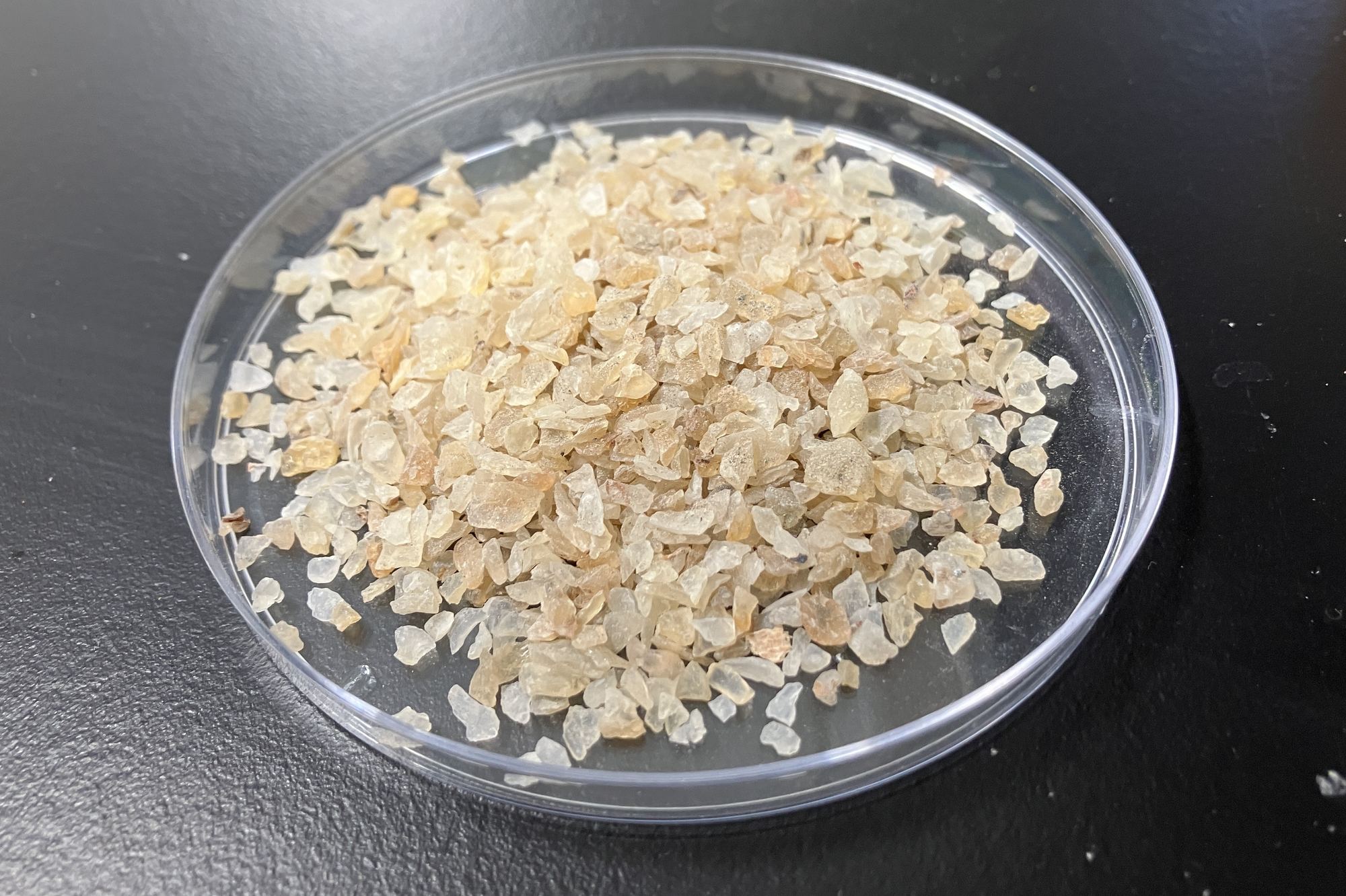
Granular type
Features
With a large particle size of 3-4 mm and moderate weight, it is not easily blown away by wind.
Notes
Granule shapes vary. We recommend a test application before use.
Because this product uses natural raw materials such as oranges and bananas, the color may vary (milky white, ash gray, dark brown, dark gray, etc.). This does not affect performance or safety.
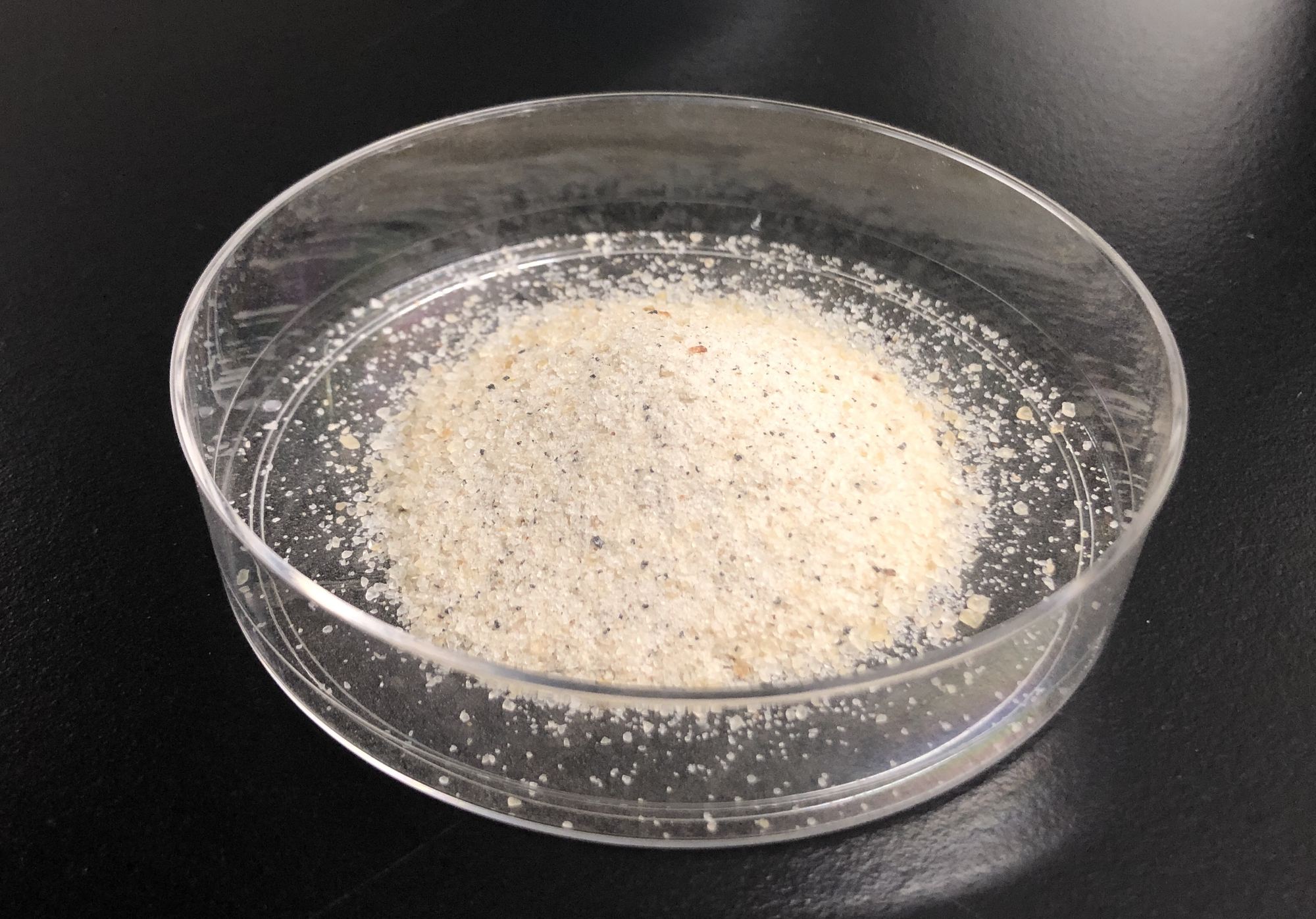
Powder type
Features
A free-flowing powder with a particle size of 100 μm-2 mm. It mixes evenly even into small amounts of soil and blends easily with powdered agents. Depending on the machine and the materials mixed, the powder type may also be used with large machinery.
Notes
Granule shapes vary. We recommend a test application before use.
Because this product uses natural raw materials such as oranges and bananas, the color may vary (milky white, ash gray, dark brown, dark gray, etc.). This does not affect performance or safety.
How to use in seedlings and planters
Mixes evenly even into small amounts of soil, for home gardens, seedling raising, balcony growing and more.
The powder type is recommended.
Plug seedlings
0.5~3 g / 1 L of soil
Mix a small amount into the soil for cell-tray seedlings to stabilize moisture management at sowing.
Pot seedlings
1~5 g / 1 L of soil
Mix evenly into potting soil to raise sturdy seedlings while reducing leggy growth.
Planters & home gardens
1~10 g / 1 L of soil
Mix into planter soil for balcony and home gardens to reduce summer drying out.
Steps
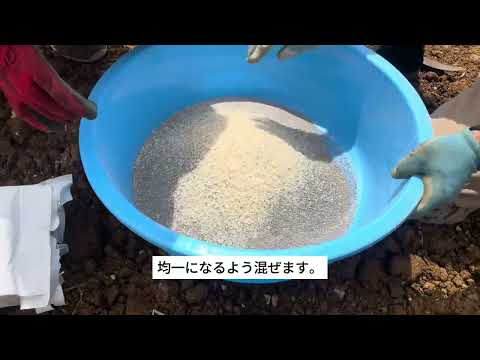
Prepare the guideline amount of powder type for your soil volume and mix thoroughly until even.
Sow seeds or transplant seedlings as usual. No extra steps are needed.
EFP only starts working once it absorbs water. Water generously after sowing or transplanting.
Application methods
Choose the method that suits your field workflow and crop.
Broadcast application
Covers wide areas efficiently
Spread EFP evenly over the whole field, then till it into the soil with a rotary tiller or similar. Covers a wide area at once.
Examples of usable machines
Granular spreaders, broadcasters, mixing sowers, agricultural drones, etc.
Application examples
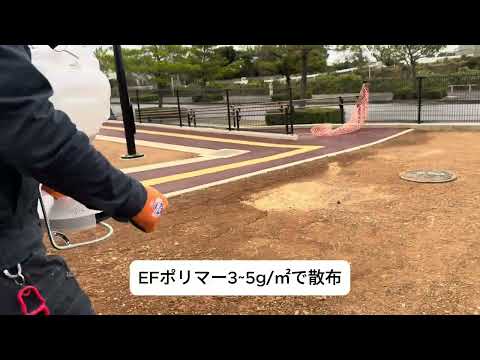
Granular spreader
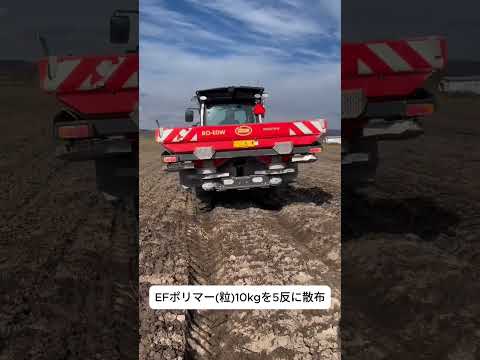
Broadcaster
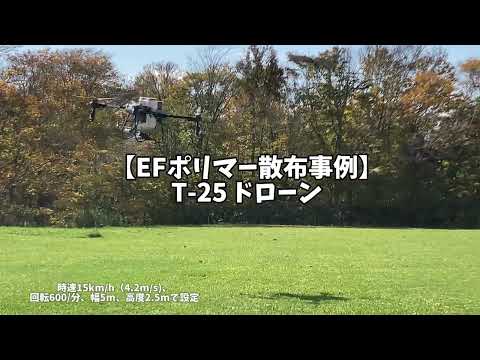
Drone
Ridging & localized application
Efficiently applied to the root zone
Apply locally at the base of the crop (inside the ridge) during ridging or hilling. Because only the ridge is treated, material use is very efficient, andEFP reaches the root zone efficientlyis the biggest benefit.
*Extra preparation, such as attaching an additional applicator, may be needed.
Examples of usable machines
Fertilizer spreaders, pesticide sprayers, etc. EFP can be applied alone or mixed with dry fertilizers and agents.
Application examples
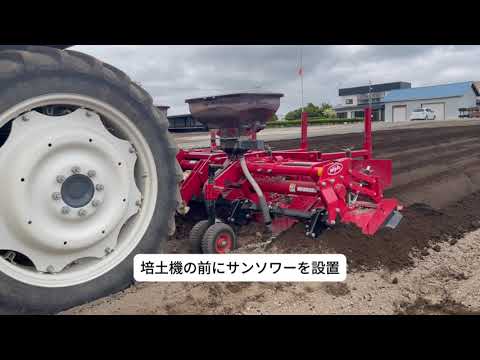
Application during ridging
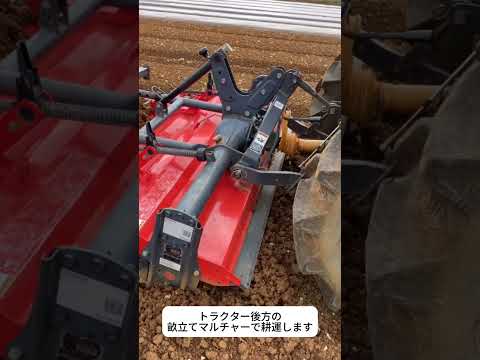
Localized in-ridge application
Seed furrow / planting furrow application
Applied together with seeds or seedlings
Apply into the seed or planting furrow at sowing or transplanting. Expected to support uniform germination and establishment.
Examples of usable machines
Fertilizer spreaders, pesticide sprayers, etc.
Application examples
New sugarcane planting (applied in the planting furrow)
Field trial cases nationwide
See how EF Polymer is used on professional farms,
and what results it brought, with cases by region and crop.
Tips for getting the best results
Two points to keep in mind to get the full effect of EF Polymer.
Mix it well into
the root zone
Simply scattering it on the soil surface will not get EFP into the soil. After application, always till lightly so it mixes evenly into the layer where crop roots grow.
Right after application,
give plenty of water
EF Polymer becomes jelly-like and works only after absorbing water. After application, water generously or apply before significant rainfall.
FAQ
Q.Will it clog tractor equipment or nozzles?
The granular type can be used with many spreaders when dry. However, specific gravity and size differ by fertilizer and pesticide type, so the mix may separate. Granule size currently varies, so clogging can occur. Avoid storing or mixing in humid places, mix right before use, and do a test application first.
Q.How long does the effect last?
As a guideline, it keeps absorbing and releasing water in the soil for about 6 months, then over about a year breaks down into water and carbon dioxide and returns completely to nature (100% biodegradable). For perennial crops, consider periodic additional applications.
Q.Can it be used in any soil?
It can be used in any soil, including sandy and clay soils. The effect is especially noticeable in soils with low water retention such as sandy soil. In clay soil it helps even out wet and dry patches (e.g. preventing cracks). EFP is weakly acidic, with a pH of 4.0-6.0.