✕

Upcycling Agricultural Residues

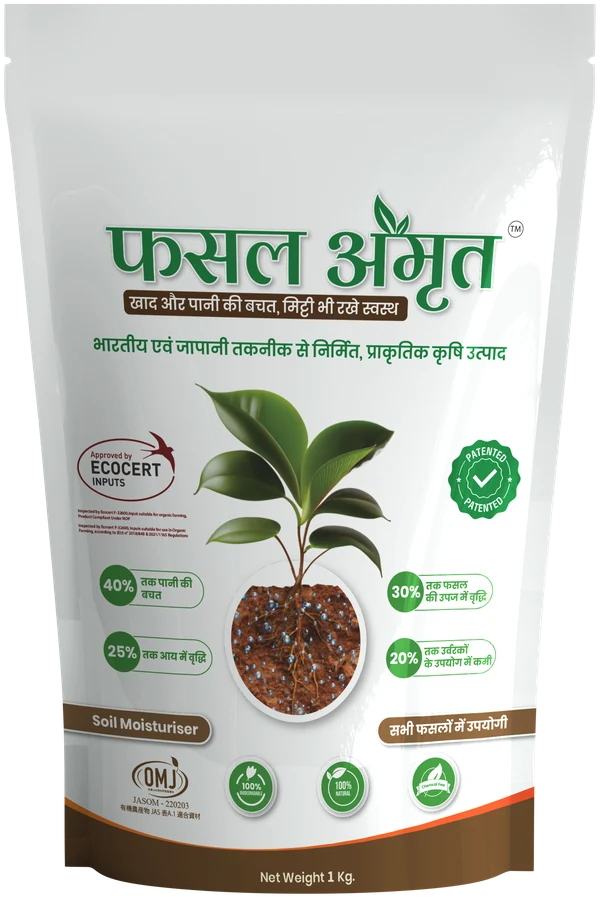
Fasal Amrit is made by effectively harnessing the power of nature. By upcycling agricultural waste such as discarded orange peels, banana peels, and other fruit residues, we transform these materials into valuable resources.
✕

Production of Fasal Amrit

After drying and pulverizing the residues, pectin is extracted and mixed.
In the production process of Fasal Amrit, no petroleum-derived materials or chemical agents are used. Its key characteristic is that the power of nature is effectively utilized at every stage.
✕

Tackling Water Scarcity & Rising Fertilizer Costs

Fasal Amrit helps farmers overcome these challenges by retaining water and nutrients in the soil for an extended period. This leads to significant water savings and reduced fertilizer use. By improving the soil’s water- and nutrient-holding capacity, Fasal Amrit also contributes to higher crop yields.
✕

Realizing Sustainable Agriculture Establishing a Recycling-Based Model

Even in harsh environments, we support farmers in achieving yields and improving soil quality, providing long-term solutions to their problems. Furthermore, we aim to realize a recycling-based model of local production and consumption, such as by upcycling locally grown crops as raw materials for polymer production.

Super Absorbent Polymer Made from Crop Residues

Nature’s Answer to Drought, Heat & Water Scarcity.

We develop nature-based polymers that help farmers cut irrigation needs and build drought resilience worldwide.

Product
Product

Supporting Families and Farmers Facing Water Shortages

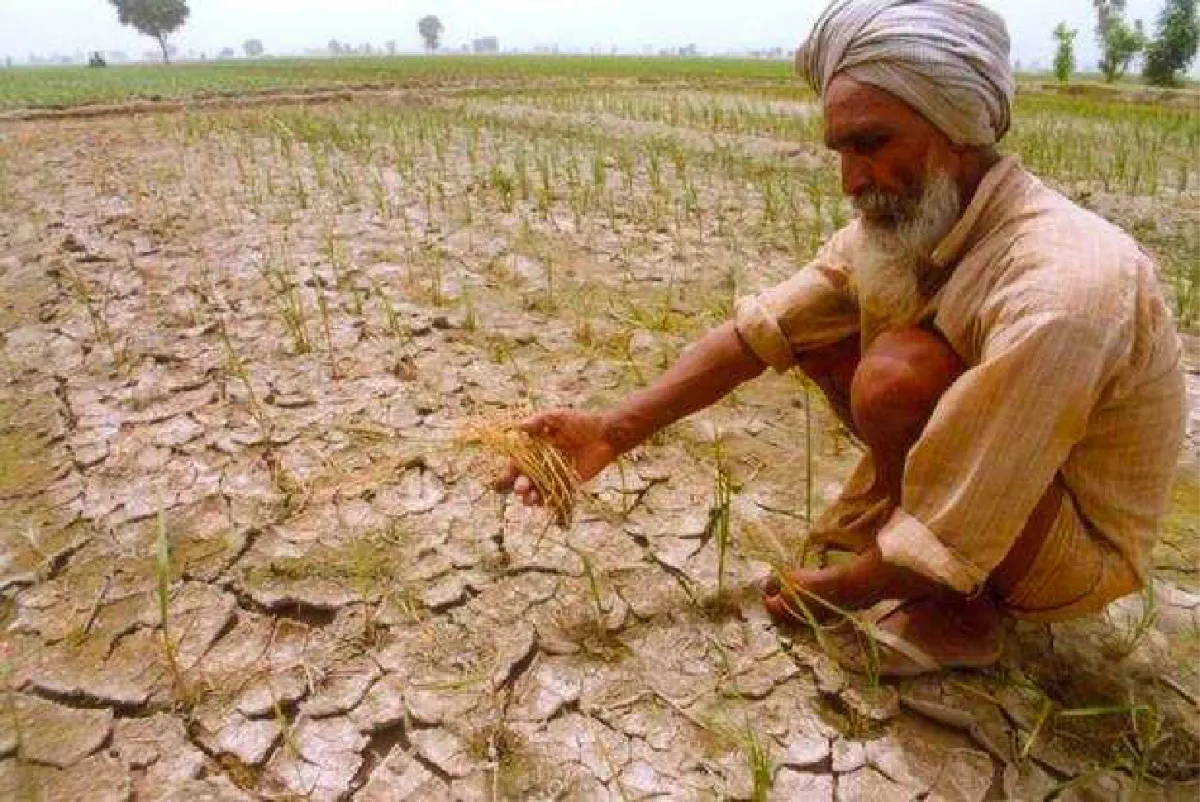
Our founder, Narayan Gurjar, was born and raised in a small farming village of about 300 people in Rajasthan, India. The region’s arid soil was far from ideal for agriculture, and as the child of farming parents, he witnessed the struggles of water scarcity from an early age.
Driven by the dream of one day helping his parents and neighbors who suffered from water shortages, he developed Fasal Amrit — a 100% natural, super absorbent polymer.

About us
About Us

Fields of India

Every drop counts on an Indian farm

किसान · खेत · पानी

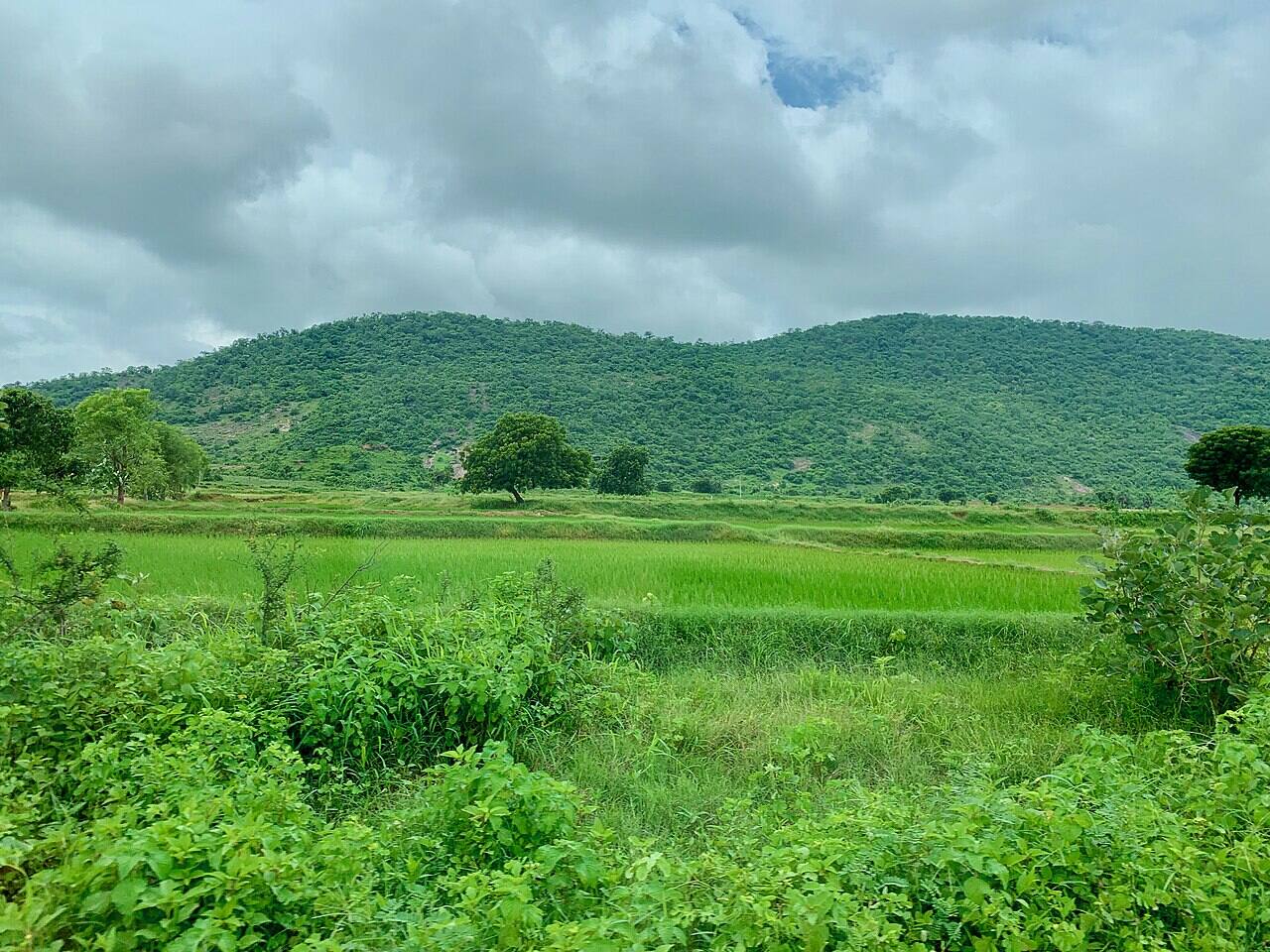
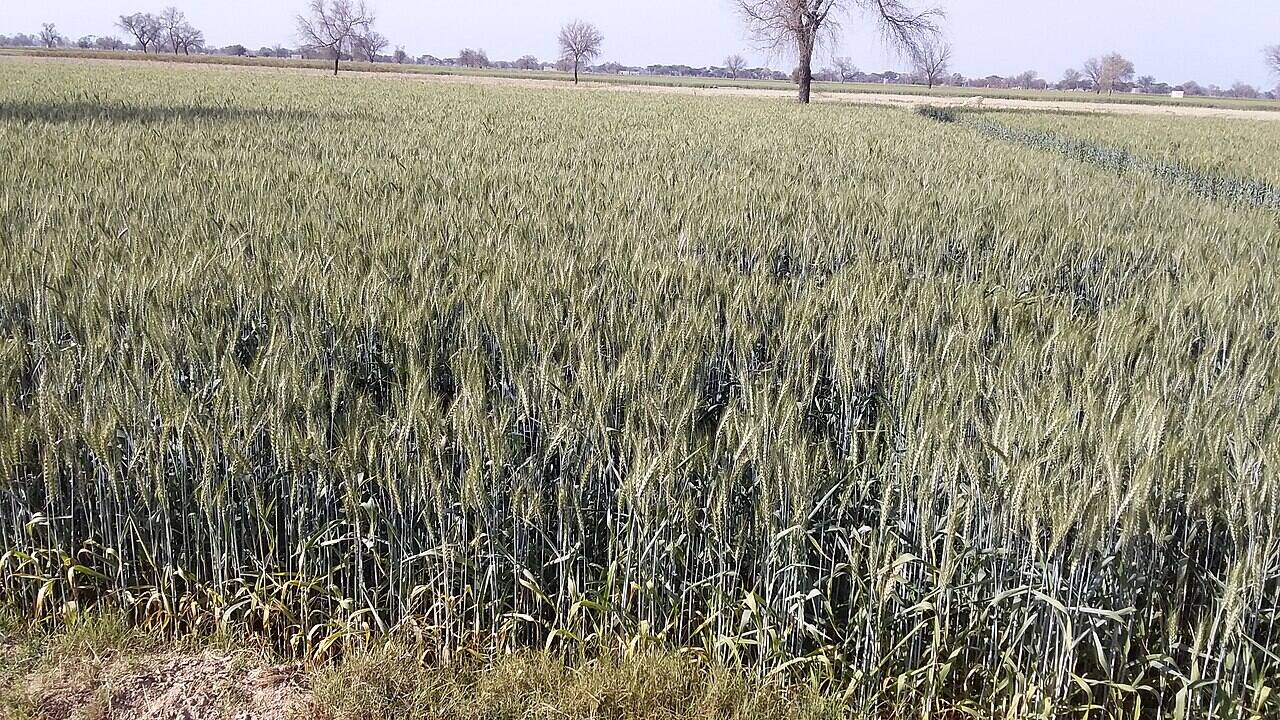
From paddy fields in the south to wheat in the north, farming across India depends on how well water is held in the soil.

Green paddy fields below forested hills in Telangana, India
Paddy fields, Telangana
A wheat field in North India
Wheat fields, North India

Ecosystem

Ecosystem

A circular model that turns discarded crop residues into solutions for farming challenges

Fasal Amrit is made by upcycling crop residues such as fruit peels and pulp that would otherwise be discarded. This 100% naturally derived super absorbent polymer helps farmers improve yields while reducing production costs, even under severe conditions such as drought.
‍
What’s more, residues from harvested crops can once again be upcycled to produce new Fasal Amrit, creating a sustainable cycle.

Product
product information

Click each step to explore the Fasal Amrit ecosystem!

Upcycling Crop Residues
Sustainable Manufacturing
Establishing a Circular Model for Sustainable Agriculture
Tackling Water Scarcity & Rising Fertilizer Costs
Watch

See Fasal Amrit in action

Fasal Amrit | Full Film · Gates Foundation India

Behind the scene · EF Polymer

More on our YouTube channel →

A Super Absorbent Polymer Made from Crop Residues

100% naturally-derived
Fully biodegradable

Product
Product
PageTop